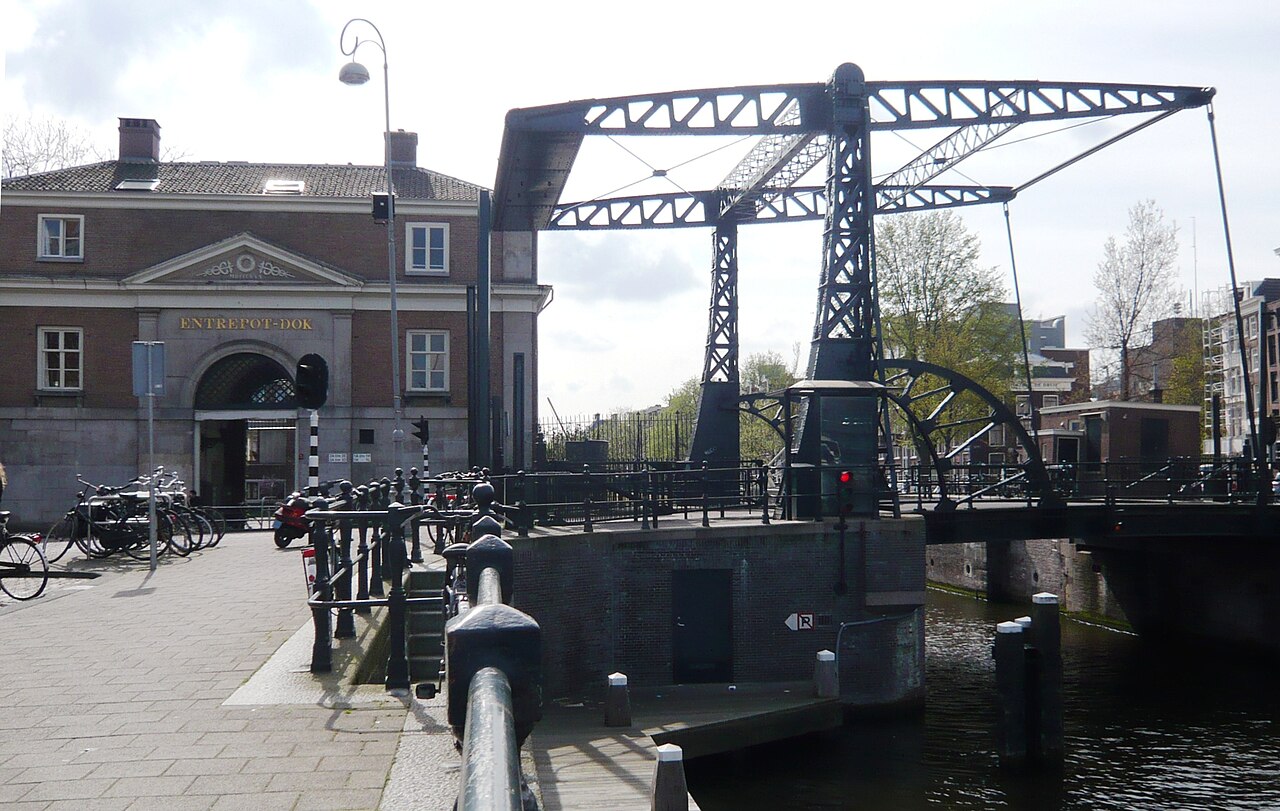
Entrepôt Charmes Incendie: Unraveling a Phrase Unrelated to US Lighthouse Articles
The phrase "Entrepôt Charmes Incendie" is a captivating string of French words that conjures vivid imagery and a sense of enigmatic allure. It speaks of warehouses, charms, and fire, weaving together concepts of utility, beauty, and destruction. However, for those searching for information about lighthouses, particularly those gracing the shores of the United States, it's crucial to understand a fundamental distinction: "Entrepôt Charmes Incendie" bears no relation whatsoever to US lighthouse articles or their historical and architectural narratives. Extensive reviews of comprehensive lists, historical accounts, and popular guides to American lighthouses confirm this absence, highlighting that this intriguing phrase belongs to a distinctly different conceptual landscape.
Our journey will delve into the rich semantic tapestry of "Entrepôt Charmes Incendie," exploring its potential meanings and the evocative power of its constituent words. We will clarify why it stands apart from the iconic beacons dotting the American coastline, offering insights into its linguistic origins and the diverse realms where such a phrase might truly find its context. This article aims to provide value by deconstructing the phrase itself, offering interpretations, and guiding those who might encounter it away from maritime navigation and towards its more likely conceptual homes.
Deconstructing "Entrepôt Charmes Incendie": A Semantic Journey
To fully appreciate "Entrepôt Charmes Incendie," we must first break down its components, each carrying its own weight of meaning and cultural resonance.
*
Entrepôt: This French term translates directly to "warehouse," "depot," or "storage facility." Historically, entrepôts were often significant hubs of commerce, particularly in port cities. They housed goods from exotic lands, facilitated trade, and were central to economic activity. The word itself evokes images of robust structures, bustling activity, stacked commodities, and sometimes, hidden treasures or vulnerabilities. An entrepôt is fundamentally a place of accumulation and transaction.
*
Charmes: Plural for "charm" or "spell," this word brings a layer of enchantment, allure, or captivating beauty. It suggests something that holds a magical quality, a compelling attractiveness, or even a mystical influence. "Charmes" can refer to physical beauty, irresistible appeal, or the power to bewitch or delight. When paired with "entrepôt," it creates a fascinating juxtaposition: a utilitarian space imbued with an unexpected, perhaps even magical, appeal.
*
Incendie: This term means "fire" or "blaze," specifically referring to a conflagration or a destructive burning. Unlike a gentle flame, an "incendie" implies intensity, danger, and often, devastation. It can symbolize sudden transformation, purification through destruction, or simply catastrophic loss. The power of "incendie" lies in its dual nature: a force of destruction that can also clear the way for new beginnings, or a spectacle of terrifying beauty.
When these three words combine – "Entrepôt Charmes Incendie" – they form a phrase that is immensely evocative. It suggests a "warehouse of charms on fire," or perhaps a "charming warehouse consumed by fire." The phrase is inherently dramatic, painting a picture of either a grand, perhaps tragic, event or a potent metaphor for intense transformation. It speaks to a scenario where something of inherent value or beauty ("charms") contained within a significant structure ("entrepôt") is undergoing a fiery ordeal ("incendie").
Beyond Beacons: Why This Phrase Doesn't Light Up Lighthouse Lore
The immediate and most important clarification for searchers is this: "Entrepôt Charmes Incendie" has no documented connection to US lighthouses. This assertion isn't merely an educated guess; it's a conclusion drawn from extensive review of available resources. When consulting lists of lighthouses in the United States, articles detailing the coolest or most beautiful lighthouses, or comprehensive historical texts on these maritime sentinels, the phrase "Entrepôt Charmes Incendie" simply does not appear.
Lighthouse nomenclature typically refers to geographic locations (e.g., Cape Hatteras Lighthouse), architectural styles (e.g., Romanesque Revival Lighthouse), or the names of the families or communities associated with their construction and operation. Their stories revolve around navigation, maritime history, engineering feats, and the often solitary lives of their keepers. The French terms for "warehouse," "charms," and "fire" do not fit within this established linguistic framework for describing these vital navigational aids.
The sources consulted, ranging from Wikipedia's exhaustive lists to travel guides like Time Out and Touropia, focus exclusively on the physical structures, their locations, historical significance, and aesthetic appeal *as lighthouses*. They do not contain any references to commercial storage facilities, metaphorical 'charms,' or specific 'incendies' that would link back to the phrase in question. This firm distinction underscores that anyone
searching "entrepôt charmes incendie"? Not in lighthouse guides.; they are exploring a completely different domain of inquiry.
The Allure of the Unconventional: Interpreting "Charming Warehouse Fires"
Given its lack of connection to lighthouses, where then might "Entrepôt Charmes Incendie" find its true resonance? The phrase invites interpretation, not as a factual historical event pertaining to lighthouses, but as a concept, a title, or a metaphor.
*
Aesthetic of Industrial Decay and Drama: One interpretation leans into the literal. Imagine an old, grand entrepôt – perhaps an architectural marvel from a bygone era – that catches fire. The "charms" could be its historical significance, its unique architectural details, or even the precious goods it once held. The "incendie" then becomes a dramatic spectacle, perhaps tragic, yet undeniably captivating in its destructive beauty. This could be a theme explored in photography, painting, or historical fiction, focusing on the powerful visual and emotional impact of a significant structure consumed by flames.
*
Metaphor for Transformation and Passion: More abstractly, "Entrepôt Charmes Incendie" could symbolize a profound internal or external transformation. A "warehouse of charms" might represent a repository of ideas, talents, passions, or a collection of beloved memories. The "incendie" could then signify a sudden, intense burst of creativity, a passionate outpouring, or a radical process of destruction and rebirth. Think of an artist's studio (an entrepôt of creations) catching fire with inspiration, leading to a new body of work. It speaks to the idea that intense experiences, even destructive ones, can be strangely "charming" in their transformative power.
*
Literary or Artistic Title: The evocative nature of the phrase makes it highly suitable as a title for a piece of art, a book, a musical composition, or even a theatrical production. Its ambiguity and dramatic tension would draw an audience, inviting them to explore the underlying narrative or emotion. A story about secrets held within a building that are dramatically revealed (or destroyed) by fire, or a character's internal struggle ignited by a powerful force, could aptly bear this title.
*
Historical Anomaly or Urban Legend: While not found in lighthouse records, could "Entrepôt Charmes Incendie" refer to a specific, perhaps forgotten, historical event related to an actual warehouse fire that held particular significance or was remembered for its peculiar circumstances? This would require deep dives into local historical archives, urban legends, or specific cultural narratives outside of broad national records.
Navigating the Semantic Labyrinth: When Search Queries Diverge
The encounter with a unique phrase like "Entrepôt Charmes Incendie" highlights an important aspect of information retrieval: sometimes, the most direct path to understanding isn't through the initial context assumed. When a search term seems to lead to unexpected places, or conversely, yields no results in a specific category, it’s a cue to broaden the interpretive lens.
*
Consider Language of Origin: The French origin of this phrase is key. Understanding "entrepôt," "charme," and "incendie" allows for more nuanced interpretation than if one were to assume it's an English idiom. This often points towards a non-English cultural or historical context.
*
Explore Metaphorical vs. Literal: Is the phrase meant to be taken literally (a real warehouse, real fire) or metaphorically (a concept, an emotion)? For "Entrepôt Charmes Incendie," both avenues offer compelling lines of inquiry.
*
Broaden Contextual Searches: If searching for it within US lighthouse databases proves fruitless, try searching in contexts of French literature, art, historical events related to urban fires, or even as a name for a fictional entity or artistic project. For those specifically interested in maritime history, it's clear that
lighthouses of the U.S.: No trace of "entrepôt charmes incendie".
*
Look for Related Themes: Instead of the exact phrase, consider searching for themes it evokes, such as "historic warehouse fires," "urban decay aesthetics," "metaphorical fire and transformation," or "French symbolic phrases."
Conclusion
"Entrepôt Charmes Incendie" is a powerful and enigmatic phrase, rich in imagery and potential meanings. While its evocative nature might initially lead some to speculate about grand historical events or unique architectural features, it is unequivocally separate from the narratives surrounding US lighthouses. These maritime guardians stand as symbols of safety and enduring strength, their histories well-documented and distinct. "Entrepôt Charmes Incendie," by contrast, invites exploration into themes of urban history, the aesthetics of decay, dramatic transformation, or profound artistic expression. It serves as a reminder that language can conjure worlds far beyond the immediate and the literal, challenging us to interpret, explore, and appreciate the unexpected connections and disconnections in the vast landscape of human knowledge and creativity.